The Passion of Brazil Soccer: Culture, Clubs and Matches
Football in Brazil is far more than an athletic pursuit; it is a shared cultural language woven into daily conversation, music, literature, and neighbourhood life. From improvised kickabouts on coastal sandbars to deafening derbies in metropolitan stadiums, the sport serves as both an art form and a deep source of communal pride across the country.
- Football arrived in Brazil in the late nineteenth century and quickly evolved from an elite pastime into a national obsession.
- The grassroots game, known as pelada, remains the foundation of Brazil’s distinctive flair and improvisational style.
- Major club rivalries across Rio de Janeiro, São Paulo, Belo Horizonte, and Porto Alegre drive regional identities throughout the year.
- Attending a live match is an unforgettable travel experience, provided visitors respect local matchday dynamics and transport logistics.
From European Import to National Art Form
Organised football arrived on Brazilian shores in the late 1890s, introduced primarily by British expats and Brazilian youths returning from studies in Europe, most famously Charles Miller in São Paulo. At its inception, the sport was exclusive, confined to private athletic clubs and white aristocracy. Over the following decades, however, the game spilled across class and racial barriers.
Working-class communities, particularly Afro-Brazilian players, transformed the rigid tactical structures of the British game into something fluid and rhythmic. The distinctive Brazilian style—often called jogo bonito or the beautiful game—emphasised rapid dribbling, body feints, and inventive ball control. By the time Brazil claimed its first World Cup title in Sweden in 1958, spearheaded by a teenage Pelé, this rhythmic approach had established the country as the spiritual home of global football.
Today, five World Cup trophies shape the collective sporting identity, but the national team (the Seleção) represents only the apex of a vast, multi-layered sporting ecosystem.
The Soul of the Street: The Pelada Tradition
To understand the depth of Brazilian football passion, one must look away from modern television broadcasts and down onto asphalt alleys, dusty inland pitches, and Atlantic beaches. In Brazil, casual pickup matches are known as peladas, a term historically derived from rough, grassless ground.
A pelada has almost no formal barriers to entry. Two flip-flops serve as goalposts, match boundaries are negotiated on the fly, and the ball may be anything from a modern synthetic sphere to a worn-out leather casing. Because physical space in dense urban neighbourhoods is often constrained, players develop lightning-fast reflexes and exceptional close-control skills in tight areas. This street environment also nurtures futsal (indoor five-a-side) and futevôlei (footvolley), both hugely popular on beaches in Rio de Janeiro, Santos, and Salvador.
Playing in a pelada is about more than winning; it is an exercise in creativity and social connection. Flair and audacious tricks are celebrated just as much as scoring, establishing a sporting ethos where joy and expression take precedence over sterile efficiency.
Clubs, Derbies, and Regional Devotion
While international supporters often focus on the gold shirts of the national squad, everyday football culture in Brazil revolves around domestic clubs. Brazilians do not simply follow a team; they belong to it from infancy, often inheriting allegiances across multiple generations.
The Giants of Rio and São Paulo
In Rio de Janeiro, four clubs dominate the landscape: Flamengo, Fluminense, Vasco da Gama, and Botafogo. Flamengo commands the largest fan base in the country, counting tens of millions of devotees across all states. The rivalry between Flamengo and Fluminense, christened the Fla-Flu, represents one of the world’s most romantic football derbies.
In São Paulo, the rivalry is equally intense among Corinthians, São Paulo FC, Palmeiras, and Santos (from the nearby port city). Corinthians, historically rooted in the urban working class, maintains a famously fervent following known as the Fiel (The Faithful). Matches between Corinthians and Palmeiras, termed the Derby Paulista, bring the metropolis to a standstill.
Beyond the Southeast
Passionate rivalries thrive across the entire federation. In Belo Horizonte, Atlético Mineiro and Cruzeiro contest the fiery Clássico Mineiro. In Porto Alegre, the intense divide between Grêmio and Internacional (the Gre-Nal) forms one of South America’s fiercest sporting conflicts. Further north, clubs like Bahia and Vitória in Salvador, or Sport and Santa Cruz in Recife, fill stadiums with colourful, rhythmic support driven by local percussion and brass bands.
Experiencing Matchday at Iconic Stadiums
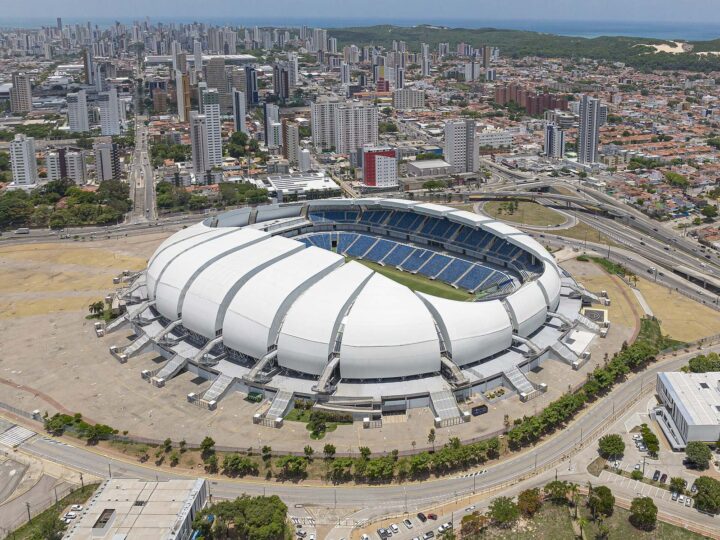
Attending a live fixture is one of the most immersive cultural activities available to travellers. Stadiums here are sensory cauldrons of synchronised drumming, billowing flags, smoke flares, and continuous singing that begins hours before kickoff.
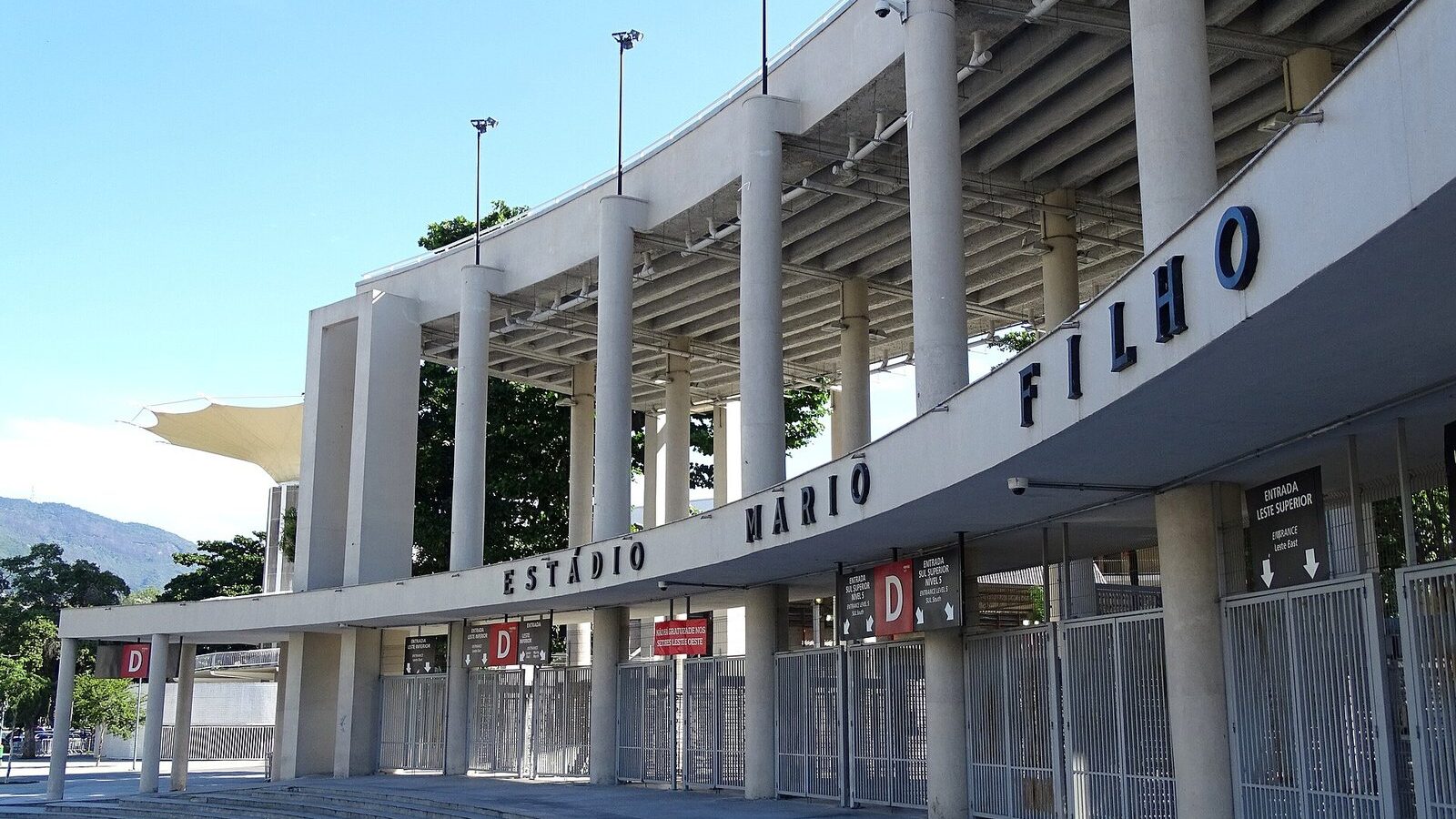
The iconic Estádio do Maracanã in Rio de Janeiro remains the spiritual cathedral of Brazilian sport, having hosted two World Cup finals. While modern renovations have replaced the legendary standing terraces with individual seating, the atmosphere during high-stakes fixtures remains electrifying. In São Paulo, the art deco Estádio do Pacaembu and modern arenas like the Neo Química Arena and Allianz Parque offer distinct architectural and atmospheric contrasts.
For visitors wanting to plan an excursion around a major fixture or discover heritage displays within regional grounds, the official national tourism portal Visit Brasil provides seasonal calendar highlights and destination overviews.
Football and Everyday Brazilian Life
The sport permeates Brazilian society far beyond the pitch. It dictates weekday scheduling: television networks traditionally air major regional and continental fixtures on Wednesday evenings and Sunday afternoons, dictating family gatherings, neighbourhood barbecues (churrascos), and transport patterns.
During the World Cup, the country operates on a unique schedule. Banks, public offices, and schools routinely close early or pause operations entirely during national team matches. Streets are decorated in green, blue, and yellow bunting, and asphalt roadways are painted with elaborate murals celebrating the squad.
Football also serves as a lens on social issues. Historic clubs like Vasco da Gama played a pioneering role in dismantling racial segregation in sport during the 1920s, while player-led movements like the 1980s Democracia Corinthiana used the club’s platform to advocate for democratic elections during military rule. The game continues to mirror the country’s social struggles, economic ambitions, and resilience.
Good to Know
Attending a match in Brazil is exciting, but practical planning ensures a smooth visit:
- Ticketing: Most major clubs now sell tickets digitally through dedicated club apps or ticketing partners. Foreign cards can occasionally face payment gateway issues, so purchasing in person at official stadium ticket booths (bilheterias) a few days in advance is a reliable alternative. Always carry your passport, as national identification is strictly required.
- Safety and seating: Stadiums are divided into sectors. Central sideline seats (often labelled cadeiras or premium areas) are generally calmer and ideal for international visitors. The end zones behind the goals are home to the organised supporter groups (torcidas organizadas), which are loud, energetic, and crowded.
- Arrival and transport: Use official metro lines or registered ride-hailing apps rather than wandering on foot through unfamiliar neighbourhoods surrounding stadiums, particularly after night matches. Avoid wearing football shirts of opposing regional teams on public transport during matchdays.
- Travel regulations: Visa rules and entry requirements change periodically. Check your home country’s official government travel advisory and the Brazilian federal police guidelines before planning international travel.