Rio de Janeiro’s Romani Peace Crusade and Santa Sara
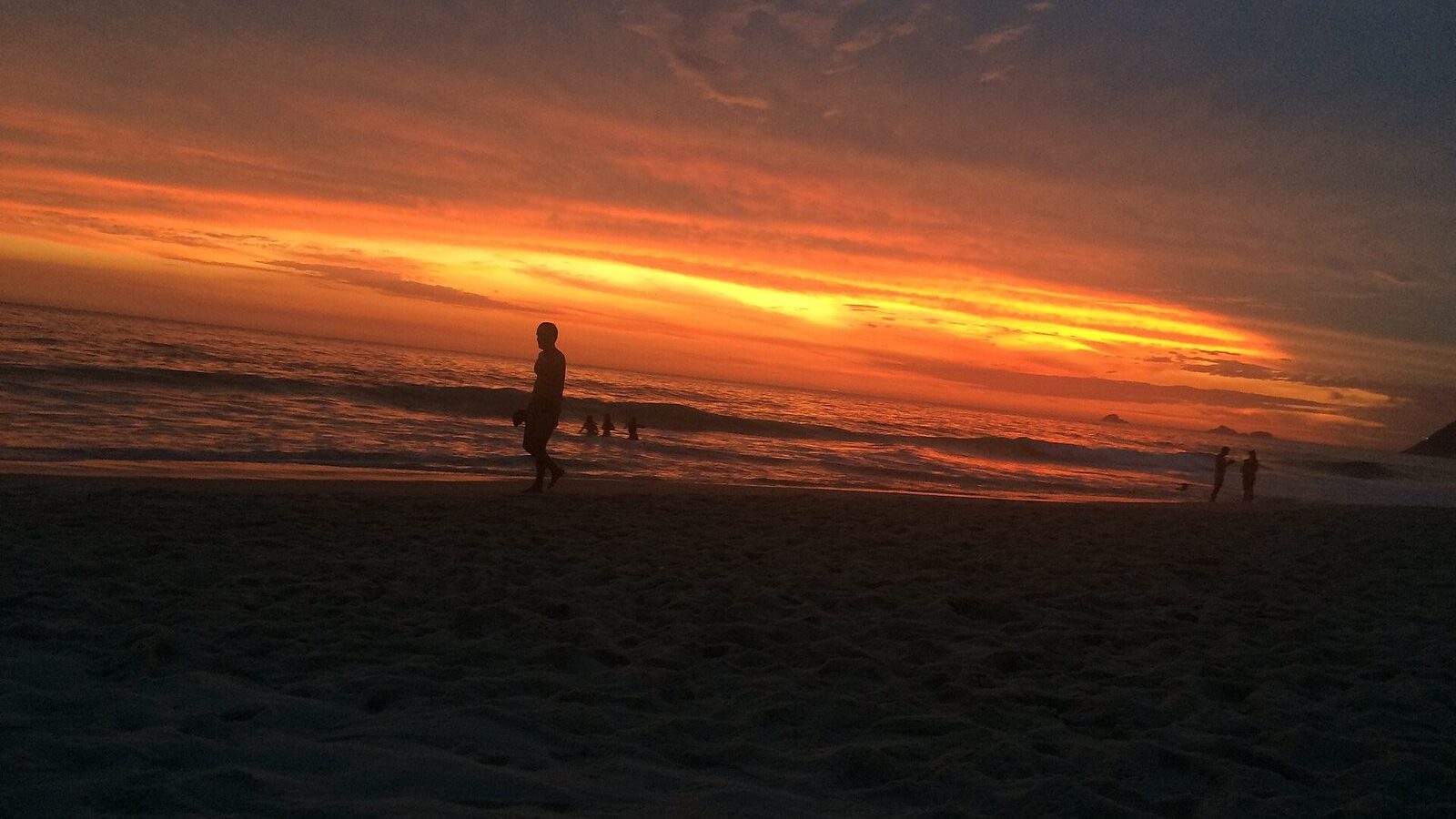
Every May, along the rocky headland of Arpoador where Copacabana meets Ipanema, a distinctive cultural gathering brings vibrant Romani music, colourful dress, and interfaith fellowship to Rio de Janeiro’s shoreline. Known as the World Peace Crusade (Cruzada pela Paz Mundial) and centred on the feast day of Saint Sara Kali (Santa Sara de Kali), this annual outdoor festival honours the patron saint of the Romani people while championing racial equality, religious tolerance, and social inclusion. For international travellers, the gathering offers a rare look into Brazil’s significant Romani heritage and the country’s longstanding tradition of communal syncretism.
- The gathering takes place annually on or around 24 May, aligning with Brazil’s National Romani Day and the international feast of Santa Sara Kali.
- Events typically centre on Parque Garota de Ipanema at Arpoador, between Copacabana and Ipanema beaches.
- The festival combines Romani dance, flamenco, and acoustic music with interfaith blessings that welcome Afro-Brazilian, Jewish, and indigenous representatives.
- Admission is free and open to the public, attracting local families, cultural researchers, and curious beachgoers alike.
The Significance of 24 May in Brazil
While Saint Sara Kali has long been revered by Romani communities worldwide—most famously during the pilgrimage to Saintes-Maries-de-la-Mer in southern France—her feast day holds formal recognition in Brazil. In 2006, the Brazilian government established 24 May as the National Day of the Romani People (Dia Nacional do Cigano). The decree honoured the community’s deep contributions to the nation’s arts, metallurgy, commerce, and folklore since the first Romani families were exiled from Portugal to colonial Bahia in the sixteenth century.
In Rio de Janeiro, community associations turned this official commemoration into an open-air public celebration. Calling the gathering a crusade for world peace, organisers aimed to dispel persistent stereotypes, educate the broader public about Romani rights, and create an inclusive platform where different ethnic and religious minorities could share common ground. Rather than a quiet chapel service, the festival developed into a dynamic showcase of song, traditional violin and guitar performances, dance circles, and open dialogue.
A Gathering at Parque Garota de Ipanema
The chosen setting for the gathering carries its own evocative charm. Parque Garota de Ipanema sits on the Arpoador peninsula, shaded by sea almond trees and overlooking the surf break that draws boarders from across the city. The park honours the famed bossa nova anthem and serves as a natural amphitheatre between the Atlantic waves and the urban bustle of the South Zone.
During the event, the park’s lawns fill with stalls displaying hand-beaded clothing, copper craftwork, traditional jewellery, and devotional images of Santa Sara draped in bright blue and gold shawls. Attendees dress in ornate skirts, patterned waistcoats, and embroidered scarves. The atmosphere remains festive, welcoming, and informal, allowing visitors strolling between Ipanema and Copacabana to pause, listen to acoustic ensembles, and sample traditional sweets and tea.
Traditions, Music, and the Honouring of Santa Sara
Central to the proceedings is the homage paid to Santa Sara Kali. In Romani tradition, Sara was an attendant to the Marys who crossed the Mediterranean Sea and found safe harbour on the Provençal coast. Her dark complexion and history of hardship have made her an empathetic protector for travellers, traders, and marginalised communities.
In Rio, an image of Santa Sara is traditionally displayed amid bouquets of fresh carnations, fruit, and lit candles. Community leaders lead an open interfaith blessing that stresses mutual respect, peace between nations, and an end to discrimination. Following the formalities, the stage comes alive with traditional music:
- Romani folk dance: Ensembles perform lively communal round dances, characterised by intricate skirt footwork, castanets, and rhythmic clapping.
- Flamenco and rumba: Reflecting the Kalé tradition prevalent across the Iberian diaspora, local dancers deliver impassioned palos accompanied by acoustic guitars.
- Intercultural performances: Visiting folk groups often introduce Afro-Brazilian drumming and indigenous songs, demonstrating solidarity across diverse communities.
Bridging Communities and Interfaith Harmony
What distinguishes the Rio de Janeiro peace crusade from an exclusively Romani gathering is its deliberate outreach to other minority populations. Organisers routinely invite speakers and cultural groups from Jewish, Afro-Brazilian, and indigenous backgrounds, using the platform to remember historic persecutions—such as the Porajmos (the Romani Holocaust) and the transatlantic slave trade—while advocating for shared civil rights.
Educational tents at the park distribute primers on Romani history and human rights, highlighting the diverse groups residing in Brazil, including the Calon, Rom, and Sinti peoples. For social historians and cultural travellers, the event provides an unusually transparent window into how diaspora communities negotiate identity in modern South America.
How to Attend and What to Expect
For visitors in Rio de Janeiro during late May, attending the celebration is straightforward and requires no prior booking. The park is located a short walk from the General Osório metro station in Ipanema, making it accessible from anywhere along the South Zone.
The gathering generally runs from mid-morning through late afternoon. Photography is widely accepted during public dance performances and open talks, though it is always polite to ask before taking close-up portraits of families or private devotional altars. Small artisan stands sell handcrafted souvenirs and snacks, with cash and local mobile transfers preferred by independent vendors.
Good to Know
Exact scheduling for the peace crusade can vary slightly from year to year; while formal celebrations cluster around 24 May, stage performances may be scheduled on the nearest weekend. Travellers can verify local programming through municipal culture portals or state tourism information points. As with any outdoor event in Rio, dress comfortably for humid coastal weather, carry sun protection and water, and exercise sensible vigilance with personal items in crowded public spaces.