Rio de Janeiro Vacations: Guide to Areas and Hotels

Rio de Janeiro remains one of the world’s most visually dramatic coastal cities, where granite peaks rise abruptly between the South Atlantic and dense Atlantic rainforest. For visitors arriving from overseas, planning a holiday here revolves largely around choosing the right base. The city is segmented into distinct geographical zones, each with its own rhythm, transport links, and accommodation styles. Understanding how Rio is structured makes the difference between an effortless stay and spending unnecessary hours stuck in coastal traffic.
- Zona Sul (the South Zone)—especially Ipanema, Leblon, and Copacabana—remains the primary choice for first-time international visitors due to beach access, walkability, and strong transport connections.
- Barra da Tijuca offers modern, resort-style hotels and expansive beaches, though it requires longer transit times to historic central sights.
- Santa Teresa suits travellers seeking hillside boutique guesthouses, colonial architecture, and a bohemian artistic community.
- Hotel prices surge significantly during New Year (Réveillon) and Carnival, requiring reservations months in advance.
Choosing the Right Base in Rio de Janeiro
Rio de Janeiro is divided broadly into four zones: the historic Centro, the affluent Zona Sul (South Zone), the sprawling Zona Norte (North Zone), and the modern coastal expanse of Zona Oeste (West Zone). For holidaymakers, the overwhelming majority of comfortable, well-connected accommodation is clustered in the South Zone along the Atlantic shoreline, or tucked into the hillside pocket of Santa Teresa overlooking Guanabara Bay.
Choosing where to stay depends on how you intend to spend your days. Those prioritising morning beach walks, easy metro rides, and a broad choice of independent restaurants typically gravitate towards Ipanema and Leblon. Travellers looking for grand landmark properties and lively seaside promenades often favour Copacabana. If your priority is modern amenities, convention centres, or uncrowded surf breaks, the western district of Barra da Tijuca presents an entirely different urban layout.
The South Zone: Copacabana, Ipanema, and Leblon
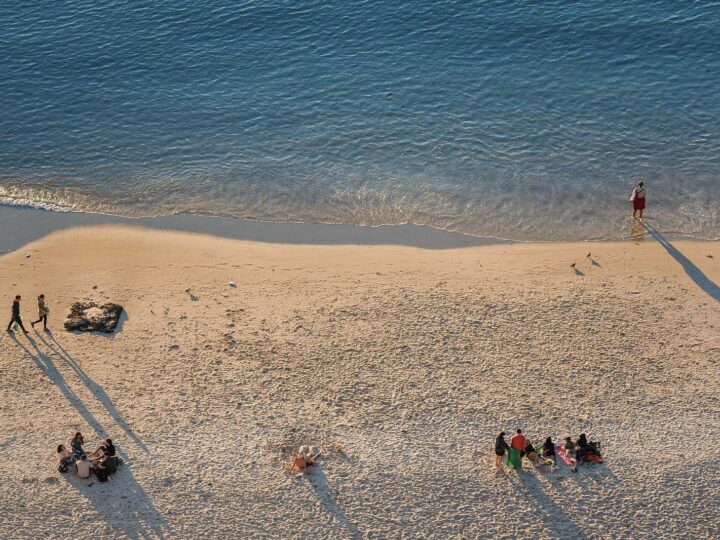
The South Zone’s coastal strip is arguably Brazil’s most famous urban shoreline, recognised globally for its distinctive black-and-white wave-patterned mosaic promenades (calçadões). Each neighbourhood along this strip possesses its own distinct personality.
Copacabana and Leme
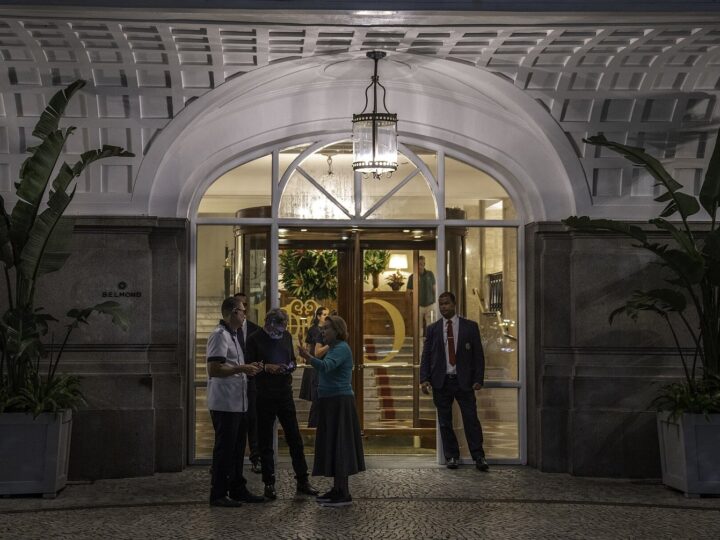
Copacabana is energetic, dense, and historic. It accommodates a vast range of lodging options, from mid-century apartment rentals and mid-tier family hotels to luxury institutions like the historic Copacabana Palace, which opened in the 1920s. The curved four-kilometre beach is lined with permanently staffed kiosks serving chilled coconut water, draft beer (chope), and light meals.
Leme, situated at the eastern end of the crescent, offers a quieter residential atmosphere while retaining direct access to Copacabana’s beach. A short walk up the Forte do Leme provides elevated coastal views across the entire bay through protected coastal forest.
Ipanema and Leblon
Moving west past the rocky outcrop of Arpoador brings you to Ipanema, followed seamlessly by Leblon. These neighbourhoods are notably more upscale, featuring tree-lined residential streets, independent fashion boutiques, juice bars, and some of the city’s finest contemporary dining rooms. The beach here is partitioned by lifeguard towers (postos), which serve as cultural markers for surfers, families, and sports enthusiasts playing futevôlei (footvolley).
Hotels in Ipanema and Leblon typically command higher room rates than those in Copacabana, reflecting the quiet residential surroundings and immediate access to calm, secure interior streets suitable for evening dining on foot.
Alternative Neighbourhoods: Santa Teresa and Barra da Tijuca
Beyond the classic beach strip, Rio offers contrasting environments that appeal to different travel styles.
Santa Teresa
Perched on a ridge above Centro, Santa Teresa is characterised by winding cobblestone roads, 19th-century mansions, art studios, and glimpses of Guanabara Bay. It is home to several restored historic villas converted into boutique hotels. Staying here offers tranquility and cultural charm, though access relies on taxis, rideshare applications, or the historic yellow tram (bonde). It is less suited to visitors planning to spend every afternoon on the sand, as reaching the South Zone beaches requires navigating down the hill through central traffic.
Barra da Tijuca
Located in the West Zone, Barra da Tijuca was developed in the late 20th century around expansive avenues, large shopping complexes, and an uninterrupted eighteen-kilometre Atlantic beach. International hotel chains operate extensive resort-style properties here, often featuring large swimming pools, private beach services, and expansive conference facilities. While Barra is exceptionally comfortable for a self-contained beach break or business trip, it lacks the walkable neighbourhood culture of the South Zone and sits up to an hour away from central Rio by car during peak hours.
Neighbourhood Comparison for Visitors
The table below provides a practical overview of Rio’s main accommodation districts to help narrow your search.
| Neighbourhood | Character | Beach Access | Metro Connectivity |
|---|---|---|---|
| Copacabana | Vibrant, bustling, diverse | Direct across Avenida Atlântica | High (multiple Line 1 stations) |
| Ipanema & Leblon | Upmarket, walkable, stylish | Direct across Avenida Vieira Souto | High (Line 1 and 4 stations) |
| Santa Teresa | Bohemian, historic, quiet | No beach access (hillside) | None (tram and taxis only) |
| Barra da Tijuca | Modern, car-oriented, spacious | Direct across Avenida Lúcio Costa | Limited (Jardim Oceânico terminus) |
Key Sights and Landscape Highlights
Rio de Janeiro was inscribed as a UNESCO World Heritage site for its cultural landscape, which celebrates the deliberate integration of natural topography into the city’s urban fabric. Wherever you stay, several natural and historical landmarks form the core of a classic visit.
- Corcovado and Cristo Redentor: The statue of Christ the Redeemer stands 710 metres above sea level atop Corcovado mountain within the Parque Nacional da Tijuca. The century-old cog railway through the forest provides the most scenic ascent.
- Pão de Açúcar (Sugarloaf Mountain): Towering over the entrance to Guanabara Bay, Sugarloaf is accessed by a two-stage cable car (bondinho) departing from Urca. It offers unobstructed views of the city skyline, coastal mountains, and neighbouring Niterói.
- Parque Nacional da Tijuca: One of the world’s largest urban rainforests, Tijuca features shaded hiking trails, hidden waterfalls, and birdlife, acting as a crucial green buffer that keeps Rio significantly cooler than the surrounding lowlands.
- Botanical Garden (Jardim Botânico): Established in 1808, this peaceful South Zone sanctuary displays thousands of tropical plant species beneath soaring avenues of imperial palms.
Seasonal Timing and Room Rates
Rio operates on marked seasonal pricing cycles. Summer runs from December through March, bringing high temperatures, brief tropical afternoon downpours, and peak visitor numbers. Rates for accommodation spike steeply for Réveillon (New Year’s Eve) and Carnival (celebrated in February or early March). During these periods, hotels routinely require non-refundable minimum stays of four to five nights, booked well in advance.
The shoulder season, from April through October, brings cooler temperatures (typically in the mid-twenties Celsius), lower humidity, and significantly clearer skies, making it ideal for outdoor hiking and sightseeing. Accommodation costs during these months are considerably more moderate, offering excellent value outside public holiday long weekends.
Good to know
Safety: Exercise sensible precautions as you would in any major metropolis. Keep high-value jewellery, expensive wristwatches, and cameras out of sight, especially along crowded beachfronts and late at night. Use registered rideshare apps or official licensed airport taxis rather than hailing unvetted vehicles on the street.
Transport: Rio’s Metrô is clean, air-conditioned, and efficient, connecting the South Zone directly with Centro and northern neighbourhoods. It operates dedicated cars for women during peak weekday commuting hours.
Entry and Health: Passport and visa requirements depend on nationality and change periodically; always consult your home country’s foreign travel advisory and the official Ministry of Foreign Affairs of Brazil before departure. Ensure standard routine vaccinations are up to date, and seek medical advice regarding yellow fever vaccination if you plan to venture from Rio into regional rural areas.